Early Signs of Glaucoma You Shouldn’t Ignore
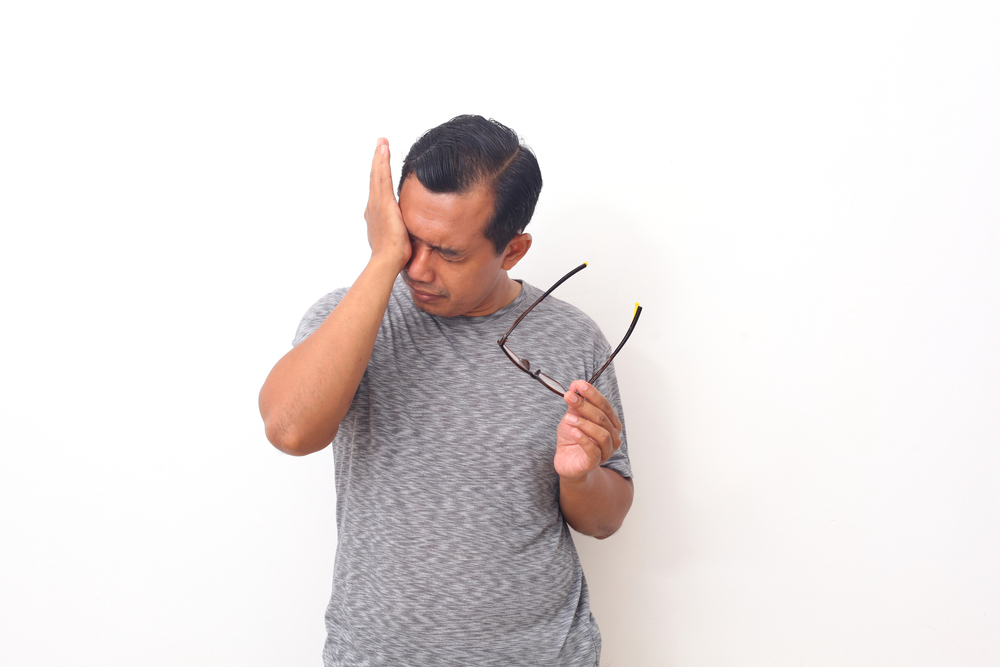
Glaucoma is often called the “silent thief of sight” because it can damage vision before noticeable symptoms appear. In many cases, people do not realize anything is wrong until peripheral vision has already been affected. That is why routine eye exams are so important, especially if you have risk factors such as a family history of glaucoma, diabetes, high eye pressure, or are over age 40.
At Parkside Eye Care, we take glaucoma seriously because early detection gives us the best chance to help protect your long-term vision.
Subtle Vision Changes Can Be Easy To Miss
One of the earliest signs of glaucoma may be a gradual loss of side vision. This can happen so slowly that your brain adjusts, making it difficult to notice day to day. You may find yourself bumping into objects, missing things off to the side, or feeling less confident while driving.
Because these changes can be subtle, a comprehensive eye exam is often the only way to detect glaucoma in its earlier stages.
Eye Pressure Is Not Something You Can Feel
Many people assume they would feel high eye pressure, but that is usually not the case. Elevated eye pressure can damage the optic nerve without causing pain or discomfort. During an eye exam, we can measure your eye pressure and evaluate the health of your optic nerve to look for signs of glaucoma.
Even if your vision seems clear, these tests can reveal concerns that are not obvious on your own.
Warning Signs That Need Prompt Attention
Most types of glaucoma progress slowly, but some symptoms should never be ignored. Contact an eye doctor promptly if you notice:
- Sudden blurry vision
- Eye pain or pressure
- Halos around lights
- Loss of peripheral vision
- Redness with nausea or headache
- Difficulty seeing in low light
These symptoms do not always mean glaucoma, but they do need professional evaluation.
Family History Can Raise Your Risk
If a parent, sibling, or close relative has glaucoma, your risk may be higher. Genetics can play a significant role, which is why we encourage patients to share their family eye health history during exams. This helps us determine how closely your eye pressure, optic nerve, and visual field should be monitored.
Glaucoma can affect adults of many ages, but risk tends to increase over time.
Regular Eye Exams Help Protect Your Vision
Glaucoma damage cannot usually be reversed, but early diagnosis and consistent monitoring can help slow progression. Depending on your needs, care may include eye pressure checks, optic nerve imaging, visual field testing, prescription eye drops, or referral for additional treatment.
Our goal is to identify concerns early and help you understand each step of your care.
Schedule A Glaucoma Evaluation In Cary, NC
If you have noticed vision changes or are concerned about your glaucoma risk, contact Parkside Eye Care in Cary, NC by calling (919) 883-9987. Our office is located at 7250 O'Kelly Chapel Rd Suite 200, Cary, NC 27519, and our team is here to help you protect your eye health with thorough, patient-centered care.
Hours Of Operation
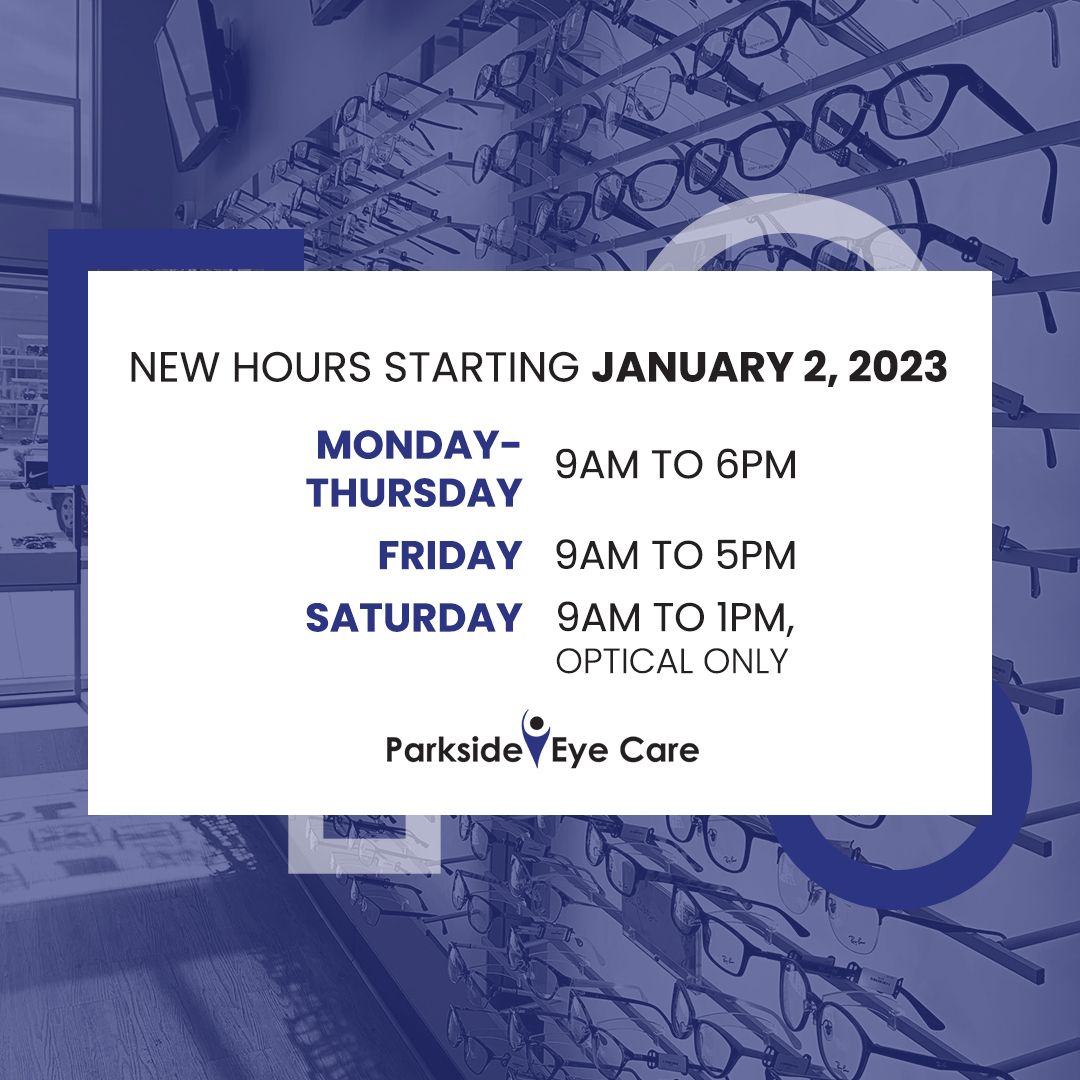
- Monday9:00 AM - 6:00 PM
- Tuesday9:00 AM - 6:00 PM
- Wednesday9:00 AM - 6:00 PM
- Thursday9:00 AM - 6:00 PM
- Friday9:00 AM - 5:00 PM
- SaturdayClosed
- SundayClosed
Contact Us
Contact Info


©2026 Parkside Eye Care All rights Reserved.
Accessibility Statement | Privacy Policy | Sitemap
Powered by: